

7 Subtle Signs You Need More Omega 3: A Guide to Essential Fatty Acid Inadequacy
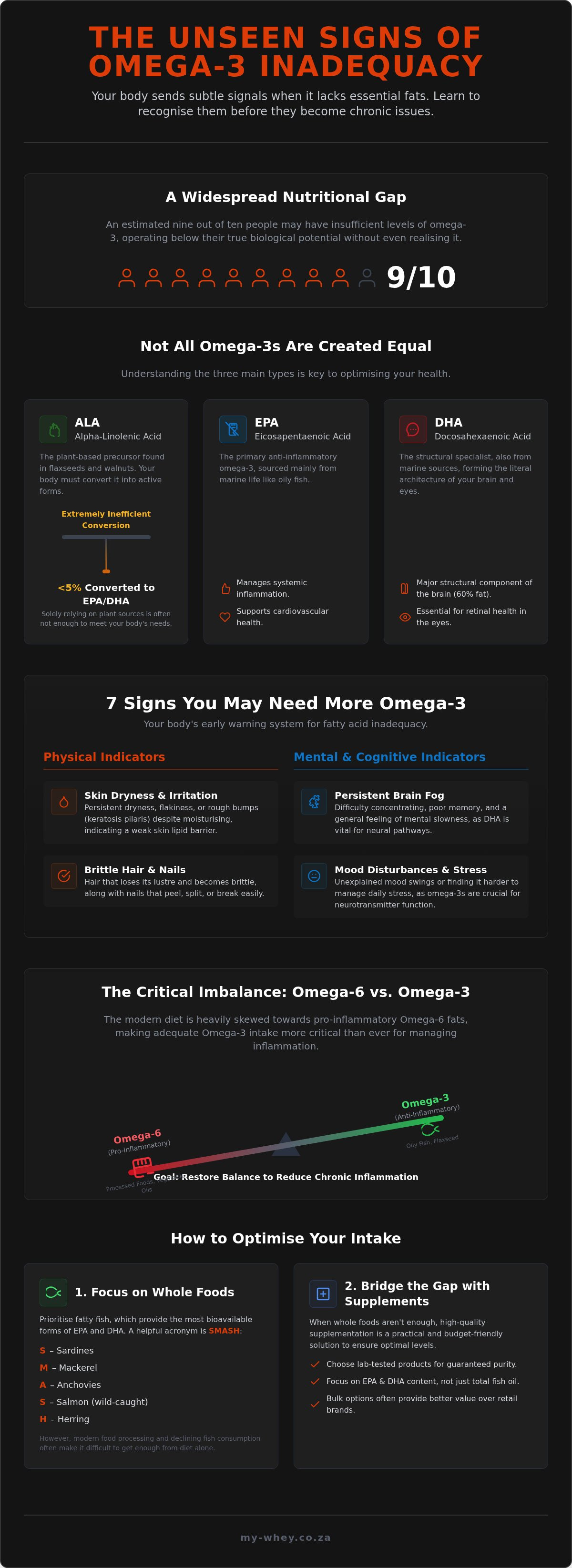
Did you know that as many as nine out of ten people may currently be living with a fatty acid deficiency without even realising it? It's a startling figure that suggests most of us are operating well below our biological potential. You might be diligent with your moisturiser yet still struggle with persistent dry skin, or perhaps you've noticed a nagging brain fog that simply won't lift. It's frustrating when your body feels out of sync despite your best efforts to stay active and eat well.
These persistent issues are often the primary signs you need more omega 3 to support your cellular health and inflammatory response. We understand that your time is valuable, so we've cut through the marketing noise to provide a clear, results-oriented look at essential fatty acid inadequacy. You'll learn to recognise the subtle physical and cognitive signals your body uses as an early warning system. We also outline how to restore your balance using high-purity, lab-tested solutions that fit a practical budget. By the end of this guide, you'll have a straightforward roadmap to improve your long-term health markers and reclaim your daily vitality.
Key Takeaways
- Recognise the subtle physical and cognitive signs you need more omega 3, from persistent skin dryness to recurring brain fog.
- Understand the distinct roles of EPA and DHA in systemic health and why plant-based ALA often fails to provide sufficient coverage.
- Discover why the ratio between Omega 6 and Omega 3 is a critical factor in managing internal inflammation and long-term wellness.
- Learn which "SMASH" fish provide the highest nutritional yield and how to supplement efficiently when whole foods aren't enough.
- Optimise your health budget by choosing lab-tested bulk supplements that focus on ingredient purity rather than fancy retail branding.
Understanding Omega 3: Why These Essential Fats Matter
Omega 3 fatty acids are polyunsaturated fats that your body simply cannot manufacture from scratch. Because they are "essential," you must source them through your diet or supplementation to maintain basic biological functions. These fats serve as the structural building blocks for every single cell membrane. When you have sufficient levels, your cell membranes remain fluid and flexible. This fluidity allows for efficient nutrient transport and effective cellular communication. Without it, your cells become rigid. This rigidity eventually impairs organ function and leads to the subtle signs you need more omega 3.
Modern health discussions often distinguish between clinical deficiency and nutritional inadequacy. While a total deficiency is rare in South Africa, inadequacy is incredibly common. It means you have enough to survive but not enough to thrive. For a foundational perspective on the chemical structure and history of these fats, Understanding Omega 3 provides a scientific baseline for how these molecules interact with our biology. It's the difference between a body that merely functions and one that performs at its peak.
The Three Main Types: ALA, EPA, and DHA
Not all omega 3s are created equal. Alpha-linolenic acid (ALA) is the plant-based version found in flaxseeds and walnuts. While ALA is healthy, it's merely a precursor. Your body must convert it into the active forms, EPA and DHA, to see real results. Unfortunately, this conversion rate is remarkably low. It's often less than 5% for EPA and even lower for DHA. This is why relying solely on plant sources often leads to the physical signs you need more omega 3 over time.
EPA acts as your primary tool for managing systemic inflammation. It supports cardiovascular health and helps regulate the body's inflammatory pathways. DHA is the structural specialist. It makes up a significant portion of your brain tissue and the retinas in your eyes. If you feel your cognitive clarity slipping, it's often a direct result of low DHA levels affecting your neural pathways. Your brain literally requires these fats to maintain its architecture.
Why Diet Often Falls Short
The modern diet has shifted away from the nutrient-dense profiles our ancestors enjoyed. Wild-caught fish consumption has declined significantly amongst the general population. Simultaneously, industrial food processing often strips these fragile fats from products to increase shelf life. High-heat processing and refining techniques create a "fat gap" that's difficult to close with standard supermarket fare. For a deeper look at the biochemistry involved, consult our definitive guide to omega 3. It details how modern lifestyle factors contribute to the widespread inadequacy we see today. Closing this gap requires a deliberate and informed approach to nutrition.
7 Physical and Mental Signs You Need More Omega 3
Your body communicates its internal requirements through external signals. Recognising the clinical signs you need more omega 3 allows you to intervene before inadequacy evolves into a chronic health issue. These indicators range from visible changes in your complexion to subtle shifts in your mental performance. If you ignore these warnings, your systemic health may begin to decline in ways that are difficult to reverse with topical treatments alone.
Skin, Hair, and Nail Health
Omega 3s are essential for maintaining the skin's lipid barrier. This barrier acts as a seal, locking in moisture and keeping irritants out. If you find your skin remains dry despite constant moisturising, it's a strong signal of fatty acid depletion. You might also notice hair that feels brittle or a sudden loss of natural lustre. Keratosis pilaris, which appears as small, rough bumps on the arms or thighs, often serves as a hallmark sign of fatty acid imbalance. Brittle nails that peel or break easily also suggest your body is prioritising internal organs over these peripheral structures.
Cognitive Function and Mood Regulation
The brain is approximately 60% fat, with DHA being the primary structural component. Low levels often manifest as a persistent "brain fog" where focus feels elusive and mental tasks take longer than usual. It's not just about concentration; it's about emotional resilience. Omega 3s facilitate neurotransmitter function, particularly for serotonin and dopamine. If you're experiencing unexplained mood disturbances or finding it harder to manage daily stress, your neural pathways might be struggling with poor membrane fluidity. Ensuring a steady supply of high-quality Omega 3 Softgels can help restore this cognitive clarity and emotional stability.
Beyond skin and mood, your joints and eyes provide critical feedback. Joint stiffness is a frequent complaint amongst active South Africans. EPA plays a vital role in producing anti-inflammatory molecules that protect your cartilage. If your knees feel stiff after a workout, it's likely an inflammatory response that hasn't been properly modulated. Finally, pay attention to your eyes. If they feel dry or "gritty" after looking at screens, it might be a lack of the oily layer in your tear film. Addressing these signals early is the smartest way to maintain your long-term mobility and comfort.
The Omega 6 to Omega 3 Ratio: The Hidden Imbalance
Health depends on the delicate equilibrium of fatty acids within your cells. It's a common mistake to focus solely on increasing omega 3 without considering the massive influx of omega 6 in the modern diet. Historically, humans evolved on a ratio of roughly 1:1 or 4:1. Today, that figure has skewed dramatically to 20:1 or even higher. This shift is a primary driver for the physical signs you need more omega 3. In South Africa, our dietary patterns contribute heavily to this imbalance. Frequent consumption of seed oils and grain-fed beef, which is significantly higher in omega 6 than grass-fed alternatives, creates an internal environment primed for inflammation.
The Pro-Inflammatory Trap
Omega 6 and omega 3 fatty acids are not just passive residents in your body. They actively compete for the same metabolic enzymes to be converted into signalling molecules. When omega 6 dominates, your body produces more pro-inflammatory eicosanoids. This is why simply taking a low-dose supplement often fails to produce results; the high volume of omega 6 essentially "crowds out" the beneficial fats. This chronic state of inflammation is often linked to persistent digestive discomfort. If you are struggling with systemic issues, exploring gut health supplements South Africa can help address the foundational irritation caused by this fatty acid tug-of-war.
How to Assess Your Status
Determining your specific needs requires more than guesswork. The most accurate method is the Omega-3 Index blood test, which measures the percentage of EPA and DHA in your red blood cell membranes. An index of 8% or higher is considered optimal for cardiovascular protection. To Optimise Your Intake, you must first look at your lifestyle. Ask yourself: do I consume oily fish like sardines or mackerel at least twice a week? Do I rely heavily on processed snacks fried in vegetable oils?
Keeping a symptom diary for two weeks is another effective tool. Track changes in skin texture, joint stiffness after exercise, and your afternoon energy levels. If these signs you need more omega 3 persist despite a "healthy" diet, it's a clear indicator that your ratio is skewed. Addressing this imbalance isn't just about adding more pills. It's about a strategic reduction of pro-inflammatory fats combined with targeted, high-purity supplementation to restore your biological baseline.
How to Optimise Your Intake: Food vs Supplementation
Achieving optimal fatty acid levels requires a strategic approach to both your plate and your supplement cabinet. The most efficient dietary sources of EPA and DHA are known by the acronym "SMASH": Salmon, Mackerel, Anchovies, Sardines, and Herrings. These smaller oily fish are preferable because they sit lower on the food chain. This position means they accumulate significantly fewer heavy metals and toxins compared to larger predatory fish like tuna or swordfish. While many people turn to flaxseeds or chia seeds for their omega 3, these plant-based sources contain Alpha-linolenic acid (ALA). As discussed, the conversion rate from ALA to the active EPA and DHA forms is extremely low. Relying solely on seeds often leaves the biological signs you need more omega 3 unaddressed.
Purity is a non-negotiable factor when selecting fish oil products. Industrial molecular distillation is the gold standard process used to remove impurities, such as mercury and PCBs, while concentrating the beneficial fats. This ensures you receive a high-potency dose without the environmental contaminants often found in raw fish. For many South Africans, the cost and availability of fresh, wild-caught SMASH fish make daily consumption impractical. This is where high-quality softgels provide a measurable, consistent solution to bridge the nutritional gap.
Structuring Your Diet for Fatty Acid Success
Follow this three-step plan to reorganise your intake: first, reduce your consumption of processed seed oils; second, aim for two portions of oily fish per week; and third, supplement the remaining days to ensure a steady supply. Pay close attention to your cooking methods. High-heat frying can oxidise and damage delicate polyunsaturated fats, so opt for steaming, poaching, or light baking instead. If you're an athlete, consider combining your omega 3 intake with whey protein. This combination supports muscle protein synthesis and helps mitigate the exercise-induced inflammation that often leads to joint stiffness.
The Case for Daily Supplementation
Consistency is the engine of progress. While an occasional salmon dinner is beneficial, your cell membranes require a steady daily influx of EPA and DHA to maintain fluidity. Softgels offer a convenient alternative for those who dislike the taste of fish or worry about the logistics of fresh seafood. Long-term supplementation at standard doses is widely recognised as safe and effective for maintaining systemic health. By removing the guesswork, you can ensure that the common signs you need more omega 3 become a thing of the past. To secure your daily requirement with lab-tested purity, browse our range of Omega 3 Softgels today.
Selecting Purity: Why My Whey Omega 3 Softgels are the Smart Choice
Identifying the physical and cognitive signs you need more omega 3 is a vital first step, but the second step is finding a source you can trust. The supplement market is often filled with marketing hype and inflated retail prices. My Whey takes a different approach. We're a no-nonsense partner in your wellness journey, providing lab-tested, high-purity softgels that focus on results. Our model is built on transparency and efficiency. We believe you should pay for the nutrients that support your health, not for a glossy retail box or a celebrity endorsement.
We've handled the complexities of sourcing and quality control so you can feel secure in your daily routine. By stripping away the unnecessary costs of traditional retail, we deliver premium nutrition directly to your door. This results-oriented strategy ensures that you aren't just buying a product; you're investing in a reliable tool for long-term health. Our commitment to integrity means we provide clear, value-based messaging that respects your time and your goals.
Pure Ingredients, No Fillers
Our Omega 3 Softgels are designed for individuals who value substance over style. We strictly avoid the unnecessary additives and synthetic fillers that often clutter the ingredient lists of cheaper alternatives. Every batch is sourced from sustainable, clean fish stocks to ensure the highest possible concentrations of active EPA and DHA. My Whey handles the rigorous vetting and laboratory testing processes so the customer doesn't have to worry about contaminants or potency. This focus on purity ensures that your body receives clean, effective fatty acids without any biological "noise."
Affordable Wellness for the Long Term
Consistency is the most critical factor when you are working to reverse the signs you need more omega 3. To make this consistency possible, we utilise a bulk-pricing model that makes high-dose supplementation sustainable for any budget. Purchasing a 3-month supply is significantly more affordable than buying smaller monthly packs from a traditional chemist. We provide efficient national delivery across South Africa, ensuring your supply remains consistent regardless of your location. We invite you to explore our full range of cognitive and performance supports as you transition to a more organised, nutrient-dense lifestyle. Reclaiming your vitality shouldn't be a luxury; it should be a practical, daily reality.
Take Control of Your Cellular Health
Addressing the signs you need more omega 3 is about more than just managing symptoms; it's a fundamental shift towards long-term systemic wellness. By recognising the physical and cognitive signals your body sends, you can move from simple survival to peak biological performance. We've explored how the modern diet often creates a pro-inflammatory state and why restoring your fatty acid ratio is the smartest way to support your brain, skin, and joints.
Achieving this balance doesn't have to be complicated or prohibitively expensive. You deserve a reliable partner that prioritises ingredient purity over fancy retail packaging. My Whey provides premium, lab-tested Omega 3 Softgels at bulk rates to ensure your health remains affordable. With efficient national delivery across South Africa, maintaining a consistent supply has never been easier. It's time to listen to your body and provide the essential fats it needs to function at its best.
Order your high-purity Omega 3 Softgels from My Whey today and start restoring your biological baseline with confidence.
Frequently Asked Questions
How long does it take to see results from taking Omega 3?
It typically takes six weeks to three months of consistent daily supplementation to see noticeable changes. Your body needs this time to integrate the fatty acids into your cell membranes. Improvements in skin hydration often appear first, followed by cognitive clarity and joint comfort. Consistency is the most important factor in reversing the physical signs you need more omega 3.
Can I get enough Omega 3 from flaxseeds and walnuts alone?
No, relying solely on flaxseeds and walnuts is usually insufficient for optimal health. These plant sources provide Alpha-linolenic acid (ALA), which the body converts to the active EPA and DHA forms at a very low rate, often under 5%. To reach therapeutic levels that support brain and heart health, marine-based sources or high-purity softgels are typically required.
Is it better to take fish oil in the morning or at night?
The specific time of day matters less than taking your supplement with a meal containing other fats. Omega 3s are fat-soluble, so absorption is significantly higher when taken alongside lunch or dinner. Some users prefer the morning to establish a routine, while others take it at night to avoid any potential aftertaste. Pick a time that ensures you don't miss a dose.
Will taking Omega 3 help with my workout recovery and muscle soreness?
Yes, Omega 3s are powerful anti-inflammatory agents that can reduce Delayed Onset Muscle Soreness (DOMS). They help modulate the inflammatory response after intense training sessions. By supporting muscle cell repair and reducing oxidative stress, they allow South African athletes to maintain a higher training frequency and recover faster between sessions in the gym.
What is the difference between fish oil and Omega 3 softgels?
Fish oil is the raw material, while softgels are the specific delivery format. Softgels protect the fragile oil from oxidation and light, which can cause the fats to go rancid. They also provide a precise, measured dose of EPA and DHA in every serving. Choosing softgels is a more organised and practical way to ensure you're getting pure nutrients without the mess of liquid oils.
Can children take Omega 3 supplements for focus?
Yes, Omega 3s are critical for neural development and cognitive function in children. Many parents use them to support concentration and behaviour in the classroom. However, you should always consult a South African healthcare professional or paediatrician to determine the correct dosage based on the child's age and weight before starting any new supplement regime.
Are there any side effects to taking high doses of Omega 3?
High doses are generally safe but can occasionally cause mild digestive issues. Because Omega 3s have a natural blood-thinning effect, individuals on anticoagulant medication should exercise caution. Always stick to the recommended serving size on the label. If you notice persistent signs you need more omega 3, it's better to focus on long-term consistency rather than extreme short-term doses.