

Can Omega-3 Improve Skin Health? The Science Behind the Glow
What if the secret to a radiant complexion isn't sitting on your bathroom shelf, but inside your cells? Many of us spend a small fortune on luxury moisturisers and soothing serums, yet persistent redness and dryness remain. If you've ever wondered, can omega 3 improve skin health, you're not alone. Most people realise that topical treatments often provide only temporary relief because they ignore the internal structural building blocks that maintain the dermal lipid barrier.
We understand that choosing the right supplement feels overwhelming, especially when you're trying to distinguish between different grades of fish oil. This guide cuts through the marketing noise to show how essential fatty acids transform your complexion from the inside out by strengthening the skin barrier and reducing inflammation. You'll learn how to achieve clearer, more hydrated skin and reduce sensitivity to environmental stressors. We'll break down the science behind the glow and provide a simplified, evidence-based routine that prioritises purity and results over expensive packaging.
Key Takeaways
- Learn why Omega-3 is a vital structural component of your cell membranes that the body cannot synthesise independently.
- Understand the biological mechanisms behind how omega 3 can improve skin health by reinforcing the lipid barrier to prevent moisture loss.
- Discover the specific role of EPA and DHA in balancing your body's inflammatory response to help manage acne and persistent redness.
- Identify the ideal daily dosage and why a 12-week commitment is necessary to align with your skin's natural cellular turnover.
- Learn how to source lab-tested, pharmaceutical-grade softgels in bulk to maintain a high-quality wellness routine without unnecessary retail markups.
The Connection Between Omega-3 Fatty Acids and Dermal Integrity
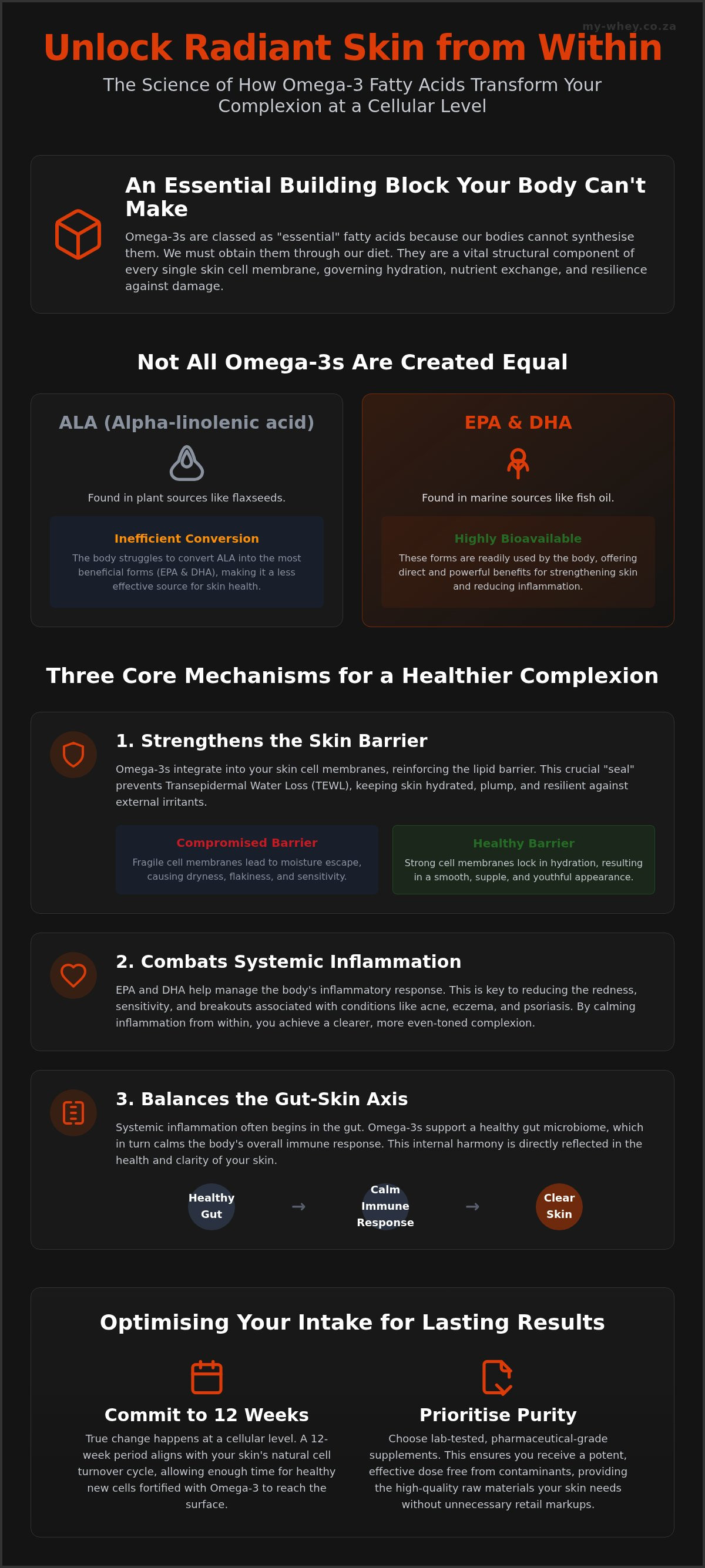
Humans cannot synthesise Omega-3 fatty acids internally. They're classed as "essential" because our survival and cellular function depend entirely on dietary intake. While traditional skincare focuses on the surface, true dermal resilience begins at the cellular level. Every skin cell is encased in a protective membrane known as the phospholipid bilayer. This membrane regulates what enters and exits the cell, including moisture and nutrients. When your diet lacks healthy fats, these membranes become rigid and fragile. This often manifests as dry, flaky, or chronically irritated skin that no amount of topical moisturiser can fix.
Transitioning to an internal approach is often the turning point for those asking can omega 3 improve skin health. By providing the body with the raw materials it needs, you strengthen the skin from within. They're essential. Without them, the skin's ability to retain hydration and resist environmental damage is severely compromised.
Understanding ALA, EPA, and DHA
Not all fats are created equal. Omega-3s come in three primary forms: Alpha-linolenic acid (ALA), Eicosapentaenoic acid (EPA), and Docosahexaenoic acid (DHA). ALA is typically found in plant sources like flaxseeds, but the human body is notoriously inefficient at converting it into the active forms we need. Marine-sourced EPA and DHA are far more bioavailable. EPA is especially valuable for the skin because it directly inhibits the enzymes that break down collagen. It also manages the production of inflammatory chemicals. This helps maintain a smooth texture and reduces the redness often associated with sensitivity.
The Gut-Skin Axis: A Holistic View
Modern science highlights a profound link between your digestive system and your complexion. This "gut-skin axis" suggests that systemic inflammation often originates in the gut before showing up on your face as congestion or dullness. If you're wondering can omega 3 improve skin health, the answer often lies in this internal balance. Omega-3s support a diverse microbiome which in turn calms the body's immune response. For a deeper look at managing this internal environment, our Gut Health Supplements South Africa guide explores how purity and performance intersect. Addressing inflammation through the gut ensures that your skin remains clear and resilient against environmental stressors.
Strengthening the Skin Barrier: Preventing Moisture Loss
The skin lipid barrier serves as the body’s primary defence against environmental stressors, acting as a microscopic seal that maintains internal equilibrium. When you consume high-quality fats, these nutrients are integrated directly into the phospholipid bilayer of your skin cells. This structural reinforcement ensures that each cell remains resilient and capable of performing its protective duties. By improving the chemical composition of these cellular walls, you're effectively upgrading your skin's natural "sealant". This process keeps essential moisture trapped inside whilst preventing external irritants from penetrating the deeper layers of the dermis.
Well-hydrated skin naturally appears more youthful. When cells are plump with water, fine lines are less visible and the overall texture remains smooth. If you've wondered can omega 3 improve skin health, the most visible evidence is often this shift from a dull, parchment-like texture to a supple, resilient glow. Achieving this requires a consistent supply of pure nutrients rather than just relying on surface-level creams that only offer temporary relief. Investing in high-purity Omega 3 softgels provides the consistent support your barrier needs to function at its peak.
Combatting Transepidermal Water Loss (TEWL)
A compromised barrier leads to chronic dehydration through a process called Transepidermal Water Loss (TEWL). When the lipid layers are sparse, water simply evaporates from the skin into the surrounding air. Omega-3 fatty acids are vital because they serve as precursors to the skin’s natural oils, or sebum. Research into Essential Fatty Acids and Skin Health confirms that internal supplementation is often superior to topical moisturisers. It addresses the structural root of dehydration rather than merely masking the symptoms on the surface.
Managing Eczema and Psoriasis Symptoms
For those struggling with eczema or psoriasis, the role of EPA is particularly significant. These conditions are often defined by a "leaky" skin barrier that triggers intense irritation. Consistent supplementation helps reduce the severity of dry, itchy patches by reinforcing the cellular foundations. Clinical observations frequently show a marked increase in skin smoothness after several weeks of use. These essential fats effectively soothe the "fire" of autoimmune-related skin conditions by calming the body's overactive inflammatory signals from within. This systemic approach is what makes people realise how can omega 3 improve skin health beyond basic hydration.
Combatting Inflammation: Addressing Acne and Redness
Western diets often contain an imbalance of fatty acids, with Omega-6 levels frequently exceeding Omega-3 by a significant margin. This disproportionate ratio triggers systemic inflammation that manifests as persistent redness and congestion on the face. By increasing your intake of EPA and DHA, you effectively recalibrate your body's inflammatory response. Research into The Role of Fatty Acids in Skin Health demonstrates that these fats reduce the production of pro-inflammatory mediators within the sebaceous glands. This is a critical factor for anyone asking can omega 3 improve skin health, as it addresses the root cause of inflammatory breakouts rather than just drying out the surface.
Hormonal acne also responds well to this internal shift. Omega-3 fats help modulate insulin-like growth factor 1 (IGF-1), a hormone known to stimulate excess sebum production and pore-clogging skin cell growth. By keeping these levels in check, you reduce the likelihood of the deep, painful cysts often associated with hormonal fluctuations. It's a proactive approach that prioritises long-term clarity over quick, temporary fixes. This systemic calming effect is why many people notice a reduction in general skin sensitivity and a more even tonal balance after consistent use.
Natural UV Protection from Within
While topical sunscreen is non-negotiable, Omega-3 provides a secondary line of defence. High concentrations of EPA and DHA increase the skin's "burn threshold", meaning it takes a higher dose of UVB radiation to cause visible redness. This internal protection helps minimise DNA damage following sun exposure and reduces the inflammatory "heat" that occurs after a day outdoors. It doesn't replace your SPF, but it certainly strengthens your skin's resilience against the harsh effects of environmental radiation.
Accelerating Wound Healing and Repair
Repairing the skin after a breakout is just as important as preventing the spot itself. Omega-3 fatty acids improve the behaviour of keratinocytes, the primary cells in the outer layer of the skin, during the repair phase. This support for tissue regeneration and collagen synthesis reduces the risk of long-term scarring and post-inflammatory hyperpigmentation. When considering how can omega 3 improve skin health, the ability to heal quickly and cleanly is a major advantage for maintaining an even, radiant complexion without the lingering marks of past inflammation.
Optimising Your Intake: EPA, DHA, and Choosing a Supplement
Determining the correct dosage is essential for those asking can omega 3 improve skin health with measurable results. Whilst general wellness guidelines often suggest lower amounts, clinical observations for skin conditions frequently utilise a combined EPA and DHA dose of 1,000mg to 2,000mg daily. It's not just about the total fish oil volume. You must check the concentration of active fatty acids on the label. A higher EPA-to-DHA ratio is particularly beneficial for dermatology because EPA is the primary driver for reducing systemic inflammation and managing acne-related redness.
Patience is your most important asset in this process. Skin cells typically turn over every 28 days, but structural changes in the deeper lipid barrier take longer to manifest. You should maintain a consistent routine for at least 12 weeks before evaluating the full impact on your complexion. This duration allows the fatty acids to fully integrate into the phospholipid bilayers of new cells, ensuring the "glow" comes from a foundation of genuine health rather than a temporary surface effect.
Bioavailability: Softgels vs. Whole Foods
Getting sufficient Omega-3 through diet alone can be challenging in South Africa, where access to high-quality, cold-water fatty fish is inconsistent and often expensive. Plant-based sources like chia seeds require a complex conversion process that is highly inefficient. Concentrated softgels provide a reliable, therapeutic dose that bypasses these dietary hurdles. For a detailed breakdown of how to vet your sources, our Definitive Guide to Omega 3 explores the specific selection criteria used by industry experts to ensure maximum efficacy.
Avoiding the "Fishy Burp" and Ensuring Freshness
Freshness is non-negotiable. Oxidised or rancid fish oil doesn't just taste unpleasant; it can actually promote inflammation rather than reducing it. If you experience the notorious "fishy burp", it's often a sign that the oil has begun to degrade. To prevent this, look for supplements that have undergone rigorous third-party testing for heavy metals, PCBs, and oxidation levels. Transparent lab results are the only way to verify that you're consuming a pure product free from unnecessary fillers.
Storage also plays a vital role in maintaining potency. Keep your supplements in a cool, dark place away from direct sunlight to protect the delicate fats from heat damage. Choosing a supplier that prioritises pharmaceutical-grade purity allows you to focus on your results without worrying about contaminants. You can maintain your 12-week skin transformation by ordering our lab-tested Omega 3 softgels in bulk, ensuring you never miss a day of your routine.
Sourcing Pure Omega-3 Softgels for Long-Term Skin Wellness
The question of how can omega 3 improve skin health is often answered by science, but the practical barrier is usually cost and consistency. High-quality fish oil is notoriously expensive when purchased through traditional retail channels. By the time you reach the three-month mark required for complete cellular turnover, the financial burden often leads to an interrupted routine. My Whey addresses this by utilising a bulk sourcing model that eliminates unnecessary retail packaging and marketing markups. This approach ensures you receive pharmaceutical-grade purity without the inflated price tag, making long-term skin wellness a sustainable reality.
Integrity is the foundation of our process. We focus on high-purity, no-filler ingredients because we know that the quality of what you put inside your body dictates the results you see on the outside. Every batch of our softgels is lab-tested to ensure it meets strict standards for potency and safety. This transparency provides peace of mind for the health-conscious consumer who wants to avoid the heavy metals and toxins often found in lower-grade oils. When you understand how can omega 3 improve skin health, you realise that the purity of the source is just as important as the dosage itself.
The My Whey Commitment to Purity
South African consumers trust our transparent sourcing because we prioritise substance over style. By removing the frills of luxury branding, we focus entirely on the quality of the Omega-3 itself. Our bulk packaging doesn't just lower the cost; it also reduces environmental waste. It's a pragmatic choice for anyone serious about their wellness. This purity makes our softgels an ideal addition to a broader beauty stack, pairing perfectly with amino acids or superfoods to support overall dermal resilience and performance.
Starting Your Skin Transformation Journey
Integrating Omega-3 into your morning routine is straightforward. Take your softgels with a meal containing healthy fats to maximise absorption. During the first 90 days, monitor your progress closely. In the first few weeks, you'll likely notice improved hydration and a reduction in dry, flaky patches. By month two, inflammatory redness and sensitivity often begin to subside. By the end of the third month, the structural changes to your lipid barrier become visible as a natural, healthy glow.
Prioritising internal health is the most effective way to achieve external radiance. While topical treatments have their place, they cannot replace the essential building blocks provided by high-quality fatty acids. Start your journey today by choosing a partner that values purity and efficiency as much as you do. Your skin is a reflection of your internal environment; nourish it with the care it deserves.
Your Path to a Resilient and Radiant Complexion
Achieving a radiant complexion requires moving beyond the surface and addressing the structural health of your skin cells. We've explored how a consistent intake of essential fatty acids reinforces the lipid barrier and calms systemic inflammation. If you've been searching for answers on how can omega 3 improve skin health, the evidence points to a high-purity, internal approach that strengthens your dermal foundations over time.
True transformation happens when you prioritise pharmaceutical-grade quality and the patience required for cellular turnover. By choosing a transparent partner, you ensure your routine remains effective and sustainable. Invest in your skin’s future with our lab-tested Omega-3 Softgels. Every batch is lab-tested for maximum purity and potency, whilst our bulk pricing model supports the long-term consistency your skin needs. With national delivery across South Africa, professional-grade support is always within reach. Take the first step towards a more resilient, hydrated, and glowing version of yourself.
Frequently Asked Questions
How long does it take for Omega-3 to improve skin health?
Visible improvements usually take about 12 weeks of consistent daily intake. Whilst your skin's surface cells turn over approximately every 28 days, it takes longer for the fatty acids to integrate into the deeper lipid layers. This 90 day window allows for three full cycles of cellular renewal. Maintaining this routine is vital for those asking can omega 3 improve skin health, as structural changes at the cellular level aren't instantaneous.
Can Omega-3 help with hormonal acne breakouts?
Omega-3 can definitely assist with hormonal acne by regulating insulin-like growth factor 1 (IGF-1). High levels of this hormone often trigger the sebaceous glands to produce excess oil, leading to clogged pores and painful cysts. By balancing your body's inflammatory response, these fatty acids help manage the severity of breakouts during hormonal shifts. It's a proactive internal strategy that supports clearer skin without the harshness of some topical chemical treatments.
Does fish oil make your skin oily or cause more spots?
This is a common misconception; high-quality fish oil doesn't make your skin greasy or cause more spots. In fact, it helps regulate the quality of your sebum. When your body lacks essential fats, it may produce thicker, stickier oil that clogs pores more easily. By providing the right nutrients, you're helping your skin produce a more fluid, protective oil. This reduces the likelihood of congestion and helps clear existing inflammation.
What is the best time of day to take Omega-3 for skin?
The best time to take your softgels is with your largest meal of the day. Omega-3 is fat-soluble, meaning it requires dietary fats to be absorbed efficiently into your system. Whether you choose breakfast or dinner doesn't matter as much as ensuring you don't take it on an empty stomach. Consistency is the most important factor for success. Taking your supplement at the same time each day helps you maintain a steady routine.
Is it better to get Omega-3 from fish or supplements for skin?
Supplements are often the more practical choice for achieving a therapeutic effect. Whilst eating fatty fish is healthy, it's difficult to get a consistent, concentrated dose of EPA and DHA through diet alone. Many fish sources also carry risks of heavy metal accumulation. Using lab-tested softgels ensures you get a precise, purified dose every day. This reliability is why many people find supplements more effective when wondering can omega 3 improve skin health.
Can Omega-3 supplements help reduce the appearance of wrinkles?
Supplementation can certainly help soften the appearance of fine lines by improving internal hydration. When your skin's lipid barrier is strong, it retains moisture more effectively, which naturally "plumps" the skin from within. Omega-3 also helps inhibit the enzymes that break down collagen over time. Whilst it won't erase deep wrinkles, it provides the structural support needed to keep your complexion looking resilient, supple, and more youthful through better moisture retention.
Will Omega-3 help with dry, itchy skin conditions like eczema?
These essential fatty acids are highly effective for managing dry, itchy conditions by reinforcing the skin's natural seal. Eczema and psoriasis are often linked to a "leaky" barrier and high levels of internal inflammation. Omega-3 acts as an internal moisturiser, helping to soothe the irritation and reduce the frequency of flare-ups. By strengthening the cell membranes, you're giving your skin a better chance to defend itself against the environmental triggers that cause itching.
Are there any side effects of taking fish oil for skin health?
Most people tolerate fish oil very well, though some may experience mild digestive upset or "fishy burps". You can easily avoid these issues by choosing fresh, lab-tested products that haven't oxidised. It's also helpful to take your softgels with food to aid digestion. If you're taking blood-thinning medication, it's wise to consult your doctor first, as high doses can have a mild thinning effect. Generally, the benefits for your skin far outweigh these minor considerations.